
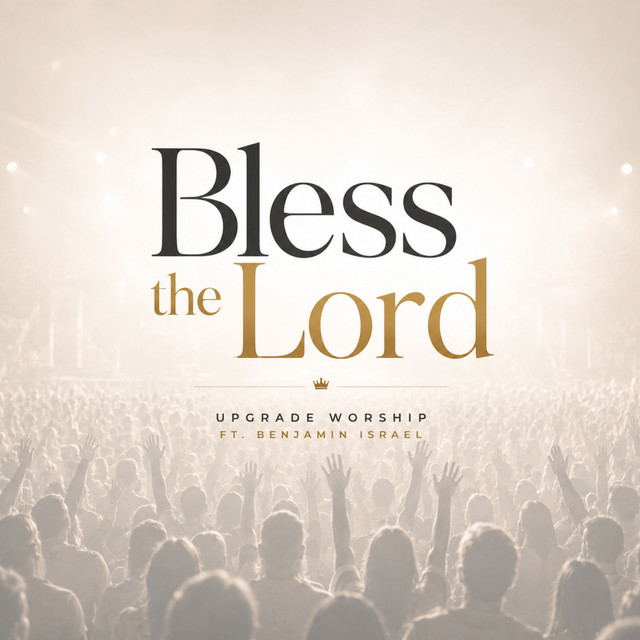
Worship isn’t a reaction — it’s a decision that you make daily.
Some songs get written on the mountaintop, when everything feels easy and gratitude flows naturally. “Bless the Lord” by Upgrade Worship and Benjamin Israel wasn’t. This song grew out of a conviction that praise shouldn’t depend on your circumstances at all. Benjamin shares: “Your circumstances may change, but God remains worthy of your praise.” Think about your own week. How much of your worship was tied to how things were going for you?
The song reminds us that there isn’t a trade-off. “I’ll praise You on the mountain, even in the valley,” the verse declares, pairing morning with noontime, and ease with trial. Nothing here is contingent. Every line in the song insists that praise belongs in every condition, not just the comfortable ones. The chorus quotes part of Psalm 103:1: “Bless the Lord, O my soul, and all that is within me.”
Let’s go to Psalm 103:1–2 to have a closer look at that line: “Bless the LORD, O my soul, and all that is within me, bless his holy name! Bless the LORD, O my soul, and forget not all his benefits.” David wrote this while he was facing real struggles, not despite them. He commanded his soul (the word used in Hebrew to address the inner self, core identity, and life force) to bless God — because feelings don’t always cooperate, and sometimes obedience has to lead the way.
Let’s break down that verse:
“Bless the Lord” is to kneel, honor, or intensely praise God.
“All that is within me” is about engaging our thoughts, emotions, will, and physical being in worship without holding anything back.
“Forget not all his benefits” is making an active decision to express your gratitude for God’s past mercy, forgiveness, and daily provisions.
May this be your invitation today. Don’t wait until circumstances line up before you offer God your praise. Speak it first. Let your voice train your heart, not the other way around. Whatever season you’re walking through right now, whether you're on a mountaintop or going through a valley, your praise to God can still stand tall.
Listen to this song and let it become your declaration for the day. Sing it loud enough to remind your own soul what’s true. “Bless the Lord, O my soul, and all that is within me.”
(Related scripture: Psalm 103:1; Habakkuk 3:17-18; James 1:2-3)
Background:
“Bless the Lord” was born out of a simple but powerful conviction: “our praise should not be dependent on our circumstances.”The song is a declaration that whether we are on the mountain or walking through the valley, God is still worthy of our praise. Whether it is morning, noon, or a difficult season, our response remains the same: “Bless the Lord.”
The inspiration came from the desire to create a song that people could sing not only when everything is going well, but also when life feels uncertain. The words, “I’ll praise You on the mountain, even in the valley,” capture that heart perfectly. It is a reminder that worship is not just a response to what God has done — it is a decision to honor who He is.
At the heart of the song is the familiar declaration from Psalm 103: “Bless the Lord, O my soul, and all that is within me.” We wanted to take that timeless biblical phrase and give it a fresh, energetic expression that people could worship and celebrate with.
One of the special things about “Bless the Lord” is how the song moves from a personal declaration into a communal praise moment. The vamp — “Bless the Lord, O my soul” — is intentionally simple, allowing everyone to join in. It is the kind of moment where the music can keep building, people can dance, sing, lift their hands, and simply celebrate God.
What We Want Listeners to Remember
If there is one thing we want people to take away from this song, it is this:
“Your circumstances may change, but God remains worthy of your praise.”
There will be mountains. There will be valleys. There will be seasons of abundance and seasons that test your faith. But in every season, your praise can still stand tall.
“Bless the Lord” is ultimately an invitation to make praise a lifestyle — not something we give God only when we feel good, but something that comes from deep within us.
So wherever you are listening from, whatever season you are in, let this be your declaration: “Bless the Lord, O my soul, and all that is within me.”
Release date: 28 August, 2026
Connect with Upgrade Worship and Benjamin Israel
Would you like to hear more Gospel music? Check out these playlists: